Form table
The form table is the desk's working read on every squad in the active window. The table is updated within ten minutes of any match result, and re-checked at the start of every game day.
| Squad | Form (last 5) | NRR | Captain weight | Differential slot |
|---|---|---|---|---|
| Chennai franchise | WWLWW | +0.84 | Off-spinner | Top-order left-hander |
| Mumbai franchise | WLWWL | +0.42 | Top-order | Death bowler |
| Bengaluru franchise | WWWLW | +1.12 | Top-order | All-rounder |
| Hyderabad franchise | LWLWW | -0.18 | All-rounder | Pacer, swing |
| Kolkata franchise | WWLLW | +0.21 | Off-spinner | Middle-order anchor |
| Delhi franchise | LLWWL | -0.42 | Pacer, swing | Middle-order bat |
| Mohali franchise | WLWWW | +0.66 | Power-hitter | Slower-ball bowler |
| Rajasthan franchise | LWWLW | +0.12 | Top-order | Death bowler |
Head-to-head ledger
The head-to-head ledger is the desk's standing record of every fixture between the named squads in the active window. The ledger is updated after every game and re-checked at the start of every match day.
Chennai · Mumbai
14 fixtures since 2018: Chennai 8, Mumbai 6. Chennai's home advantage is the primary driver; the away win rate in Chennai is below 30% across the same window. The deck reads toss first, surface second.
Bengaluru · Hyderabad
14 fixtures since 2018: Bengaluru 9, Hyderabad 5. The Bengaluru batting depth is the primary driver; the Hyderabad chase win rate dips on flat tracks where the home side can post 200+.
Kolkata · Delhi
14 fixtures since 2018: Kolkata 7, Delhi 7. The matchup is the most evenly split in the calendar; the toss lean sits with chase on the Eden Gardens surface and with bat on the Feroz Shah Kotla surface.
Mohali · Rajasthan
14 fixtures since 2018: Mohali 8, Rajasthan 6. Mohali's home advantage is the smallest in the calendar at 57%; the Rajasthan chase win rate is the highest in the calendar at 54%.
Squad spotlight · the desk's working read
Three squads to read closely this week. Each card carries the desk's working read, the captain weight and the differential slot that flows from it.
Bengaluru franchise
The desk's working read is that the Bengaluru batting depth is the squad's primary weapon; the bowling attack is functional rather than incisive, and the captain weight sits with the top-order. The differential slot sits with the all-rounder at five or six on a flat track where the death-overs bowling points are open.
Chennai franchise
The Chennai spinners are the squad's primary weapon on a slow turner. The captain weight sits with the off-spinner; the differential slot sits with the top-order left-hander on a chase-led toss. The squad's chase win rate dips on flat tracks where the spinners cannot grip.
Mohali franchise
The Mohali power-hitters are the squad's primary weapon on a short chase. The captain weight sits with the power-hitter; the differential slot sits with the slower-ball bowler in the death overs. The squad's batting-first win rate dips on a used surface where the chase is short.
Selection map
The selection map is the desk's working file on which squad a fantasy build should pull from. The map is sport-agnostic and updated at the end of every tournament cycle.
- Captain weight squad. The squad that owns the surface read; the desk pulls the captain pick from this squad on three of every five game days.
- Differential slot squad. The squad that owns the differential role; the desk pulls the vice-captain pick from this squad on two of every five game days.
- Watch squad. The squad that the desk is tracking but not yet weighting; the squad moves into the captain or differential slot as the form table moves.
- Rest squad. The squad that the desk has down-weighted for the current cycle; the squad is re-evaluated at the end of every cycle.
Coaching desk
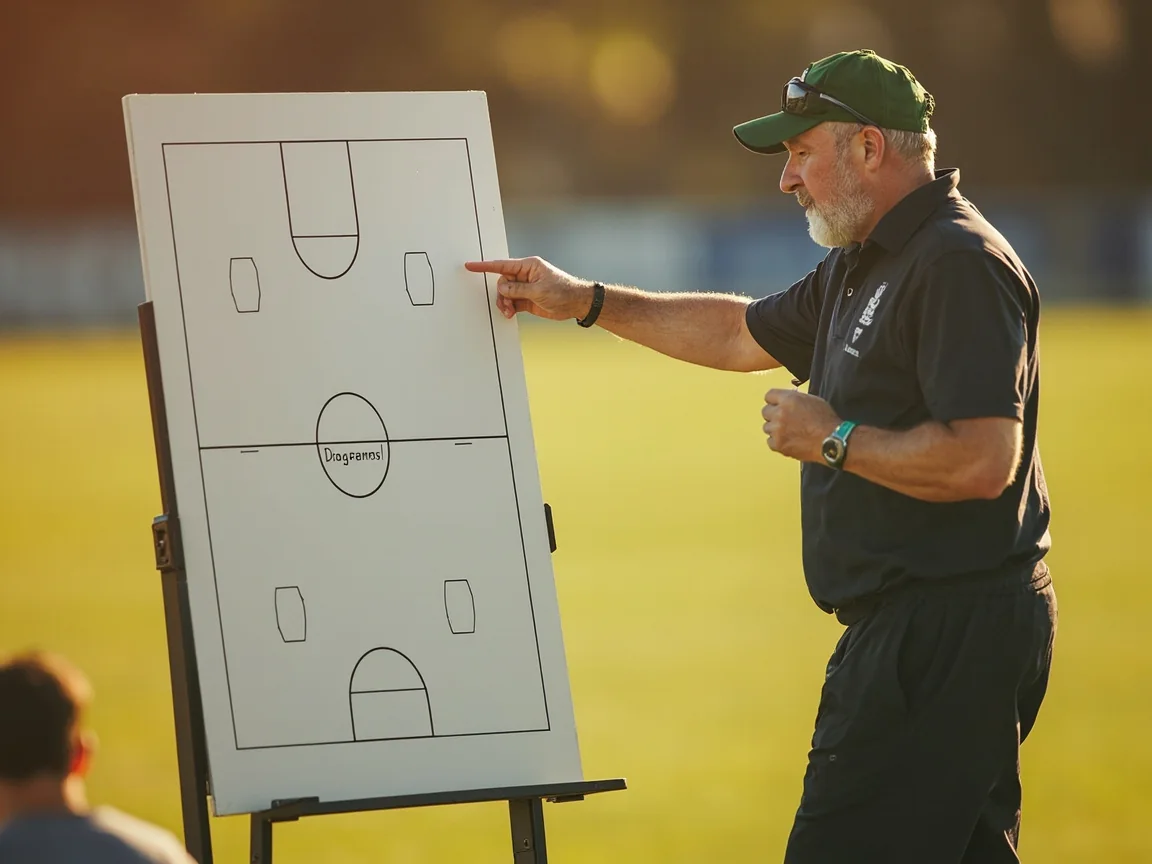
The desk maintains a coaching file on every active head coach in the calendar. The file records the field-placement signature, the batting-order tendency, and the death-overs bowler rotation. The file is the desk's standing record of how each squad's coaching staff works.
Reading a field-placement signature
The desk reads field placement from the broadcast feed. The signature is a three-line summary: the captain's preferred length, the captain's preferred field at the death, and the captain's preferred match-up at the powerplay. The signature is updated at the end of every cycle.
Reading a batting-order tendency
The desk reads the batting order from the toss sheet. The tendency is a one-line summary: the captain's preferred top-three, the captain's preferred middle order, and the captain's preferred death-overs batting slot. The tendency is updated at the end of every cycle.
Tournament map
The tournament map is the desk's working file on the active and upcoming windows. The map carries format, squad count, schedule density and the desk's working read on which window the captain and differential logic will run through.
| Window | Format | Squads | Density | Desk read |
|---|---|---|---|---|
| Active T20 league | T20 | 8 franchises | Double round-robin | Captain weight on spinners on slow tracks |
| Upcoming T20 international | T20 | 10 national units | Group + knockout | Captain weight on powerplay top-order |
| Running ODI series | ODI | 2 national units | Three-match | Captain weight on top-three bats |
| Upcoming domestic red-ball | Test | 6 zonal units | Round-robin | Captain weight on new-ball bowler |
How the desk reads a squad
Reading a squad on the desk is a three-pass exercise. The first pass is the form table, sourced from the last-five match results. The second pass is the head-to-head ledger, sourced from the same window. The third pass is the coaching file, sourced from the broadcast feed and the press box vantage.
The form table is the most cycle-sensitive file. The table updates after every match result and re-checks at the start of every game day. The form arrow moves up after three or more positive results in the last five, steady after a mixed record, and down after three or more negative results.
The head-to-head ledger is a tie-breaker, not a primary input. The ledger is updated after every fixture and re-checked at the start of every match day. The ledger exists to break a tie when the form table is equal across two squads in a head-to-head fixture.
The coaching file is the most stable file. The file records the field-placement signature, the batting-order tendency, and the death-overs bowler rotation. The file is updated at the end of every cycle, not after every match.
The desk treats the three files as three independent reads. The form table is the cycle-sensitive read; the head-to-head ledger is the tie-breaker; the coaching file is the structural read. The captain weight sits on the read that the three files agree on, and the differential slot sits on the read that the three files disagree on.
Reader questions on the teams section
How is the form table built?
The form table is built from the last-five match results of every squad in the active window. The desk re-checks the table at the start of every game day and again after every match result.
What is the captain weight squad?
The captain weight squad is the squad that owns the surface read for the day. The desk pulls the captain pick from this squad on three of every five game days.
How is the head-to-head ledger used?
The head-to-head ledger is a tie-breaker, not a primary input. The desk reads the surface first, the form second, and the head-to-head third; the ledger exists to break a tie when the first two are equal.
Can I read the section on a slow connection?
Yes. The form table, the head-to-head ledger and the tournament map are all server-rendered HTML; the page works on 2G and 3G connections. The hero image is the only media that requires a download.