Composition rules
The desk's standing composition rules survive the format change. The rules are sport-agnostic and apply to any selection the desk walks through. The rules exist so the build is not four batters and an all-rounder with no bowling points path.
- One bowler, one batter, one all-rounder, regardless of format. The composition rule is the desk's defence against correlated variance.
- No more than two picks from a single side in a head-to-head. The rule keeps the build balanced across the toss and the chase.
- The wicketkeeper is a wicketkeeper first, a batter second. The role, not the batting cameo, is the differentiator over a full cycle.
- The differential slot sits with the vice-captain. The captain is consensus; the vice-captain is the one slot the desk's read will defend in a season-end review.
Captain and vice-captain logic
The captain weight sits on the role the surface amplifies. The logic is mechanical: a spinner on a turner, a fast bowler on a green track, a top-order bat on a flat dry surface. The vice-captain sits in the differential slot and carries the one non-consensus pick the desk's read will defend.
The captain dossier is re-run by hand every morning, never the night before, and the desk treats every figure over 60 as a soft watch. The differential ledger is the standing record of how the differential slot performs over time.
The differential slot
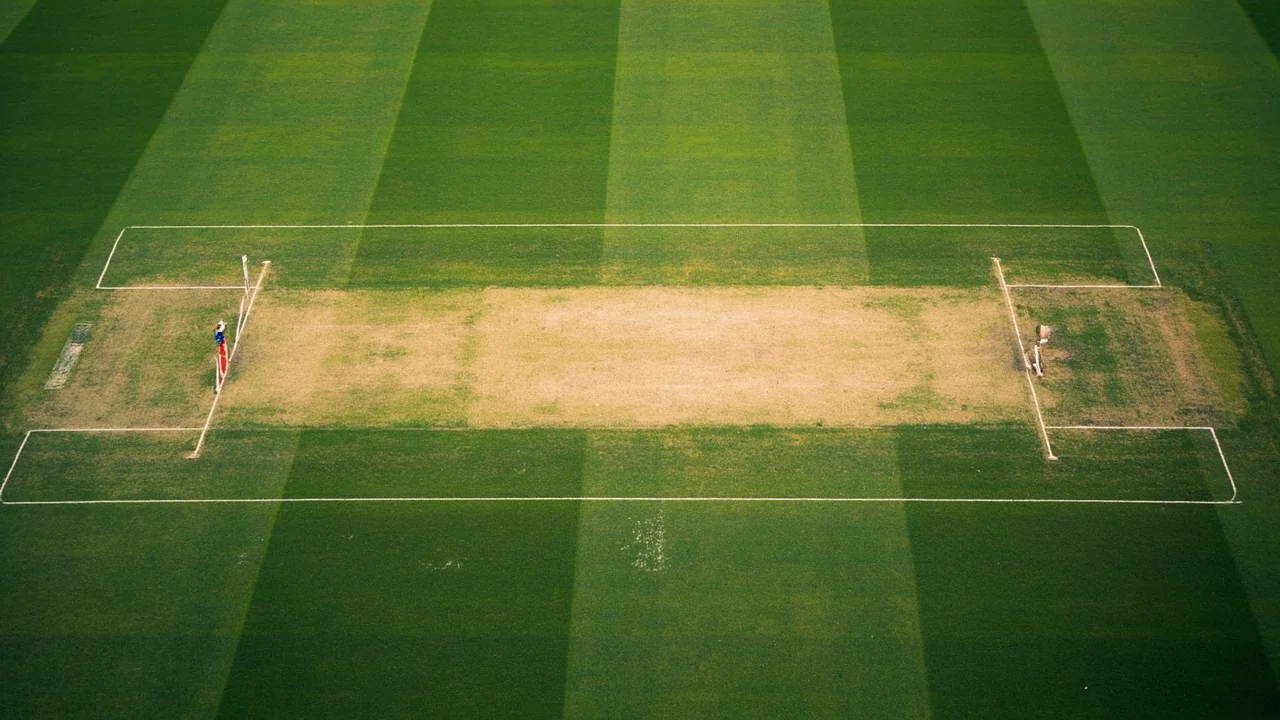
The differential slot is the desk's one allowed non-consensus pick. The slot sits with the vice-captain and is the one place the desk will defend a non-consensus pick against the prevailing points table.
The differential is not a single-day hit rate. The differential ledger records the surface read, the role, the points-per-match differential, and the in-sample size across a full cycle. The ledger is the standing record of how the differential slot performs over time.
When does the differential move?
The differential moves when the surface read amplifies a role the points table is underweighting. The desk's working read is that the differential is most often a role in a non-batter slot, on a track where the role is the differentiator.
When does the differential hold?
The differential holds when the surface read is a tie-breaker between two players of similar points table. The desk's working read is that the differential is most often a points-table tie-breaker on a flat track where the captain weight is already on the consensus pick.
Surface reads
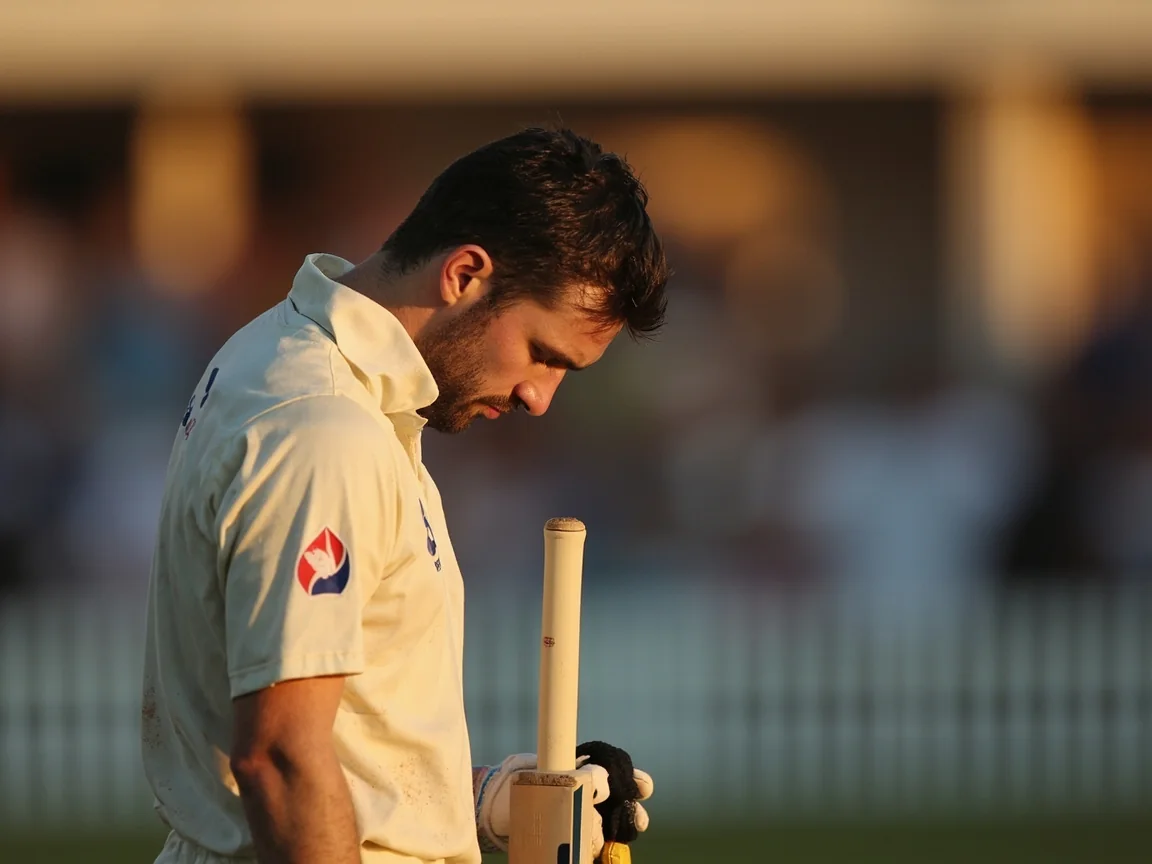
The surface read is the desk's working file on the cricket surface for the day. The read is a one-line summary of three observations: grass cover, crack pattern, and any uneven bounce flagged in the warm-up. The read is the first input to the captain dossier.

Grass cover
Grass cover is the single most informative surface cue. A green track rewards the new-ball bowler; a bare track rewards the spinner. The desk's working read is that grass cover flips the captain weight to the new-ball pair.
Crack pattern
Crack pattern is the second surface cue. Cracks on a used surface reward the spinner with the best length on the off-stump line. The desk's working read is that crack pattern moves the captain weight to the middle-overs specialist.
Uneven bounce
Uneven bounce is the third surface cue. Uneven bounce amplifies the role of the wicketkeeper and the slip fielder. The desk's working read is that uneven bounce is the rare case where the wicketkeeper carries the differential slot.
Toss math
The toss is the second input to the captain dossier, after the surface read. The desk's working file is a per-venue toss table with the historical chase win rate, the historical bat-first win rate, and the desk's standing read on which way the toss should lean for the captain weight.
Reading the toss
The toss is read in three steps: first, the captain's stated preference; second, the historical venue record; third, the desk's working read on which way the toss should lean for the captain weight. The captain dossier is re-run within ten minutes of the toss.
Bat first or chase?
The desk's working read is that chase is the default lean on most surfaces, with the exception of evening games on a small square boundary where bat first is the lean. The differential slot moves with the toss: the slot is a top-order bat in a chase-led toss, and a power-hitter in a bat-led toss.
Venue cues
Each venue carries its own surface vocabulary. The desk maintains a per-venue cue card with three lines: surface read, toss lean, dew cue. The cards are updated by the pitch reporter on the morning of the game and re-checked after the toss.
Chennai · M.A. Chidambaram
Slow turner, evening dew, spinners through the middle. Captain weight on a home off-spinner; differential on the away top-order in the powerplay.
Bengaluru · M. Chinnaswamy
Dry flat track, no significant swing after the new ball, high-scoring chase window. Captain weight on the home top-order; differential on a fast-bowling all-rounder with batting points at five or six.
Kolkata · Eden Gardens
Slow turner with a long straight boundary. Captain weight on the home off-spinner with the best length on the off-stump line; differential on the new-ball bowler in the powerplay.
Mohali · I.S. Bindra
Evening breeze, smaller boundary square of the wicket. Captain weight on the power-hitter on a short chase; differential on the bowler with the slowest pace on the slower-ball variation.
Format rules and short-form notes
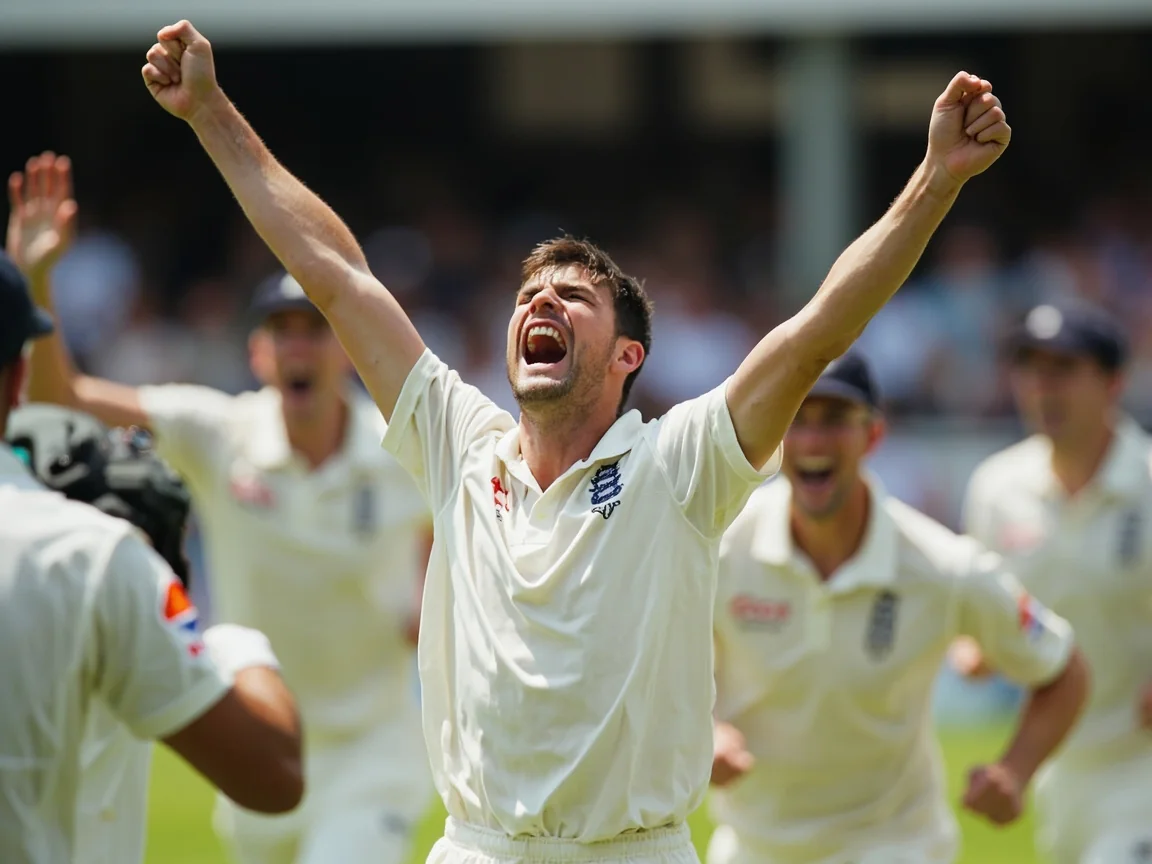
Format rules are sport-specific and stable. The desk maintains a one-line summary per format, with the captain and vice-captain logic that flows from the format's average first-innings total.
- T20. Powerplay captain weight; differential slot in the middle overs; spinner differential on slow tracks, fast-bowling differential on flat tracks.
- ODI. Top-order captain weight through the first 15 overs; differential slot in the bowling fifth; all-rounder differential on a used surface.
- Test. Captain weight is format-long; differential slot sits with the new-ball bowler across both innings.
- T10 / The Hundred. Captain weight to the power-hitter; differential slot to the bowler with the slowest pace on the slower ball.
Pre-build checklist
The desk's standing checklist before any fantasy build is filed. The checklist is mechanical; it exists so nothing is missed before the build goes to press.
- Re-run last-five tables by hand from the official match centre
- Re-check the toss sheet for any late change
- Re-check the dew cue against the 09:30 humidity reading
- Re-run the venue cue card against the 11:00 surface read
- Set the captain weight to the role the surface amplifies
- Set the vice-captain to the differential slot
- Apply the composition rule: one bowler, one batter, one all-rounder
- Apply the squad rule: no more than two picks from a single side
- Cross-link the build to the predictions ledger and the matches section
- File the post-toss re-read within ten minutes of the toss
Latest from the desk
A durable explainer on the seven measurable numbers behind the captain pick: powerplay strike rate, dot-ball percentage, boundary share, death economy, wicket-taking overs, batting points per match and the ownership differential that decides which build carries the consensus captain.
Reader questions on the fantasy tips section
How is the captain pick decided?
The captain pick sits on the role the surface amplifies. A spinner on a turner, a fast bowler on a green track, a top-order bat on a flat dry surface. The desk's working read is that the role, not the points table, is the differentiator over a full cycle.
What is the differential slot?
The differential slot is the desk's one allowed non-consensus pick. On a four-game day, the differential sits with the vice-captain. The slot is mechanical, not a single-day hit rate.
How often is the surface read updated?
The surface read is filed by the desk's pitch reporter on the morning of the game. The read is a one-line summary of three observations: grass cover, crack pattern, and any uneven bounce flagged in the warm-up.
Can I read the section on a slow connection?
Yes. The composition rules, the captain logic, the differential slot methodology and the format rules are all server-rendered HTML; the page works on 2G and 3G connections. The hero image is the only media that requires a download.