Fixtures ledger
The desk's main ledger, sourced from the official match centre and re-run on the morning of every game day. Format tags carry the standard abbreviations; venue and condition rows carry the surface read and the dew cue.
Latest fixtures report
| Time | Fixture | Format | Venue & condition | Toss lean | Source |
|---|---|---|---|---|---|
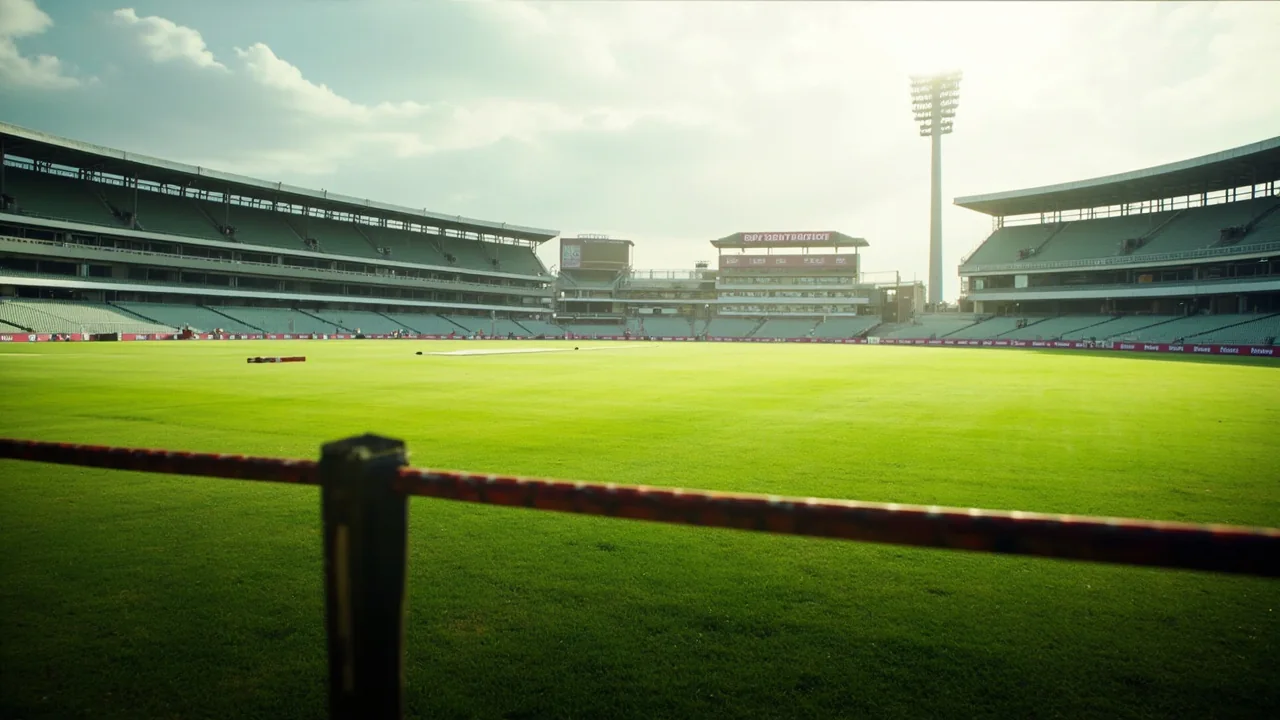
| 14:30 | Chennai · Mumbai | T20 | M.A. Chidambaram, slow, evening dew | Chase | Match centre |
| 17:00 | Bengaluru · Hyderabad | T20 | M. Chinnaswamy, dry flat track | Chase | Match centre |
| 19:30 | Kolkata · Delhi | T20 | Eden Gardens, slow turner | Chase | Match centre |
| 22:00 | Mohali · Rajasthan | T20 | I.S. Bindra, evening breeze | Bat | Match centre |
Match reads
One short paragraph per game. The desk writes a working read, not a preview editorial. The read is what the desk will use to set captain and vice-captain weights; it is updated as the toss sheet lands.
Chennai · Mumbai
The slow Chidambaram surface has historically rewarded spinners through the middle overs. The desk's read is to weight the Chennai spinners on captain, with the Mumbai top-order as the differential vice-captain if the toss is chase. Evening dew is the variable that will swing the second innings total; the pitch reporter has flagged a high-humidity window after 19:30.
Bengaluru · Hyderabad
A dry flat track at the Chinnaswamy end. The home side will be without an opener whose hamstring tightening was reported in the morning dispatch; treat the absence as a soft watch until the toss sheet lands. The desk's working read is chase-led with a fast-bowling differential on a track that should not swing after the first six.
Kolkata · Delhi
Eden Gardens on a slow turner. The desk's captain weight sits with the home spinners, not the away top-order, on surfaces where the ball grips from over thirteen. The toss lean is chase; the dew cue is muted.
Mohali · Rajasthan
The evening closer at the I.S. Bindra end, with the Sutlej breeze picking up after 21:00. The toss lean flips to bat first if the breeze is forecast to settle; the captain weight moves to the power-hitting side if the chase is short.
Venue cues
Each venue carries its own surface vocabulary. The desk maintains a per-venue cue card with three lines: surface read, toss lean, dew cue. The cards are updated by the pitch reporter on the morning of the game and re-checked after the toss.
Chennai · M.A. Chidambaram
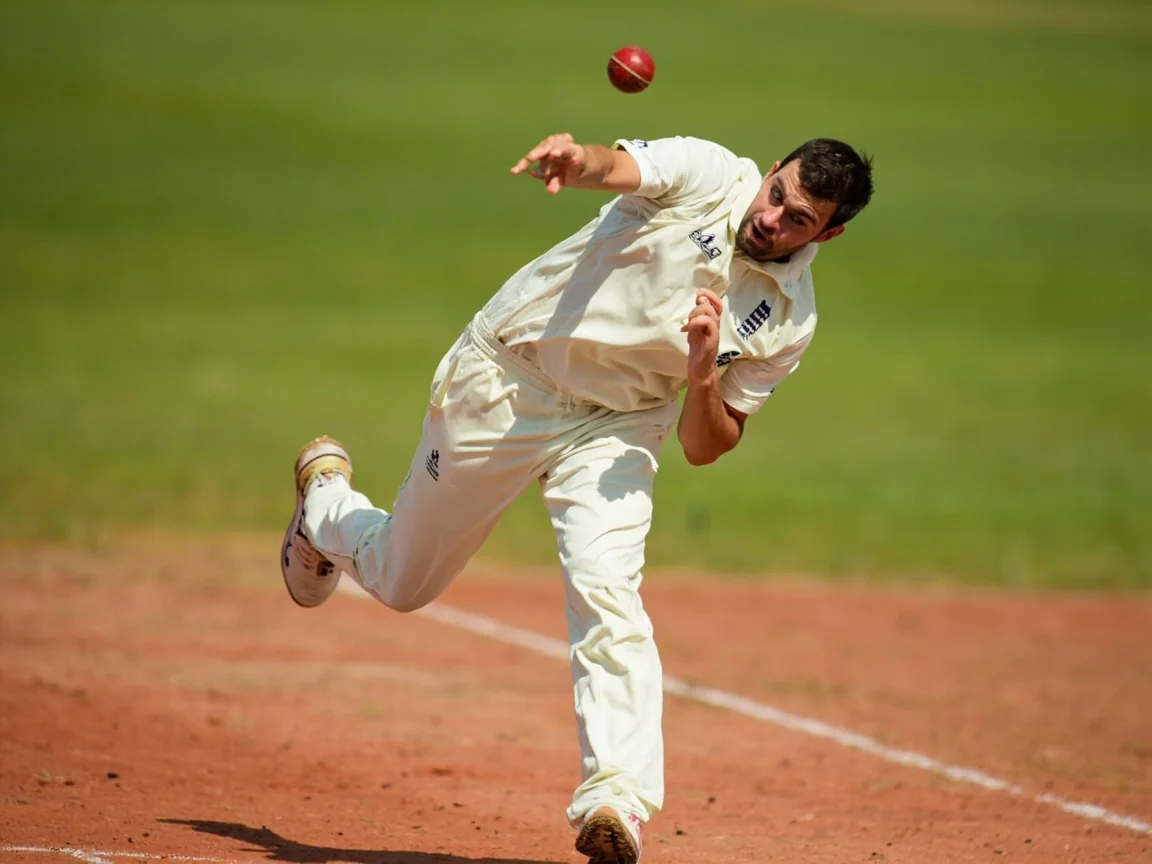
Slow turner, evening dew, spinners dominate the middle overs. Captain weight goes to the home off-spinner in chase-led toss scenarios; the differential is the away top-order in the powerplay.
Bengaluru · M. Chinnaswamy
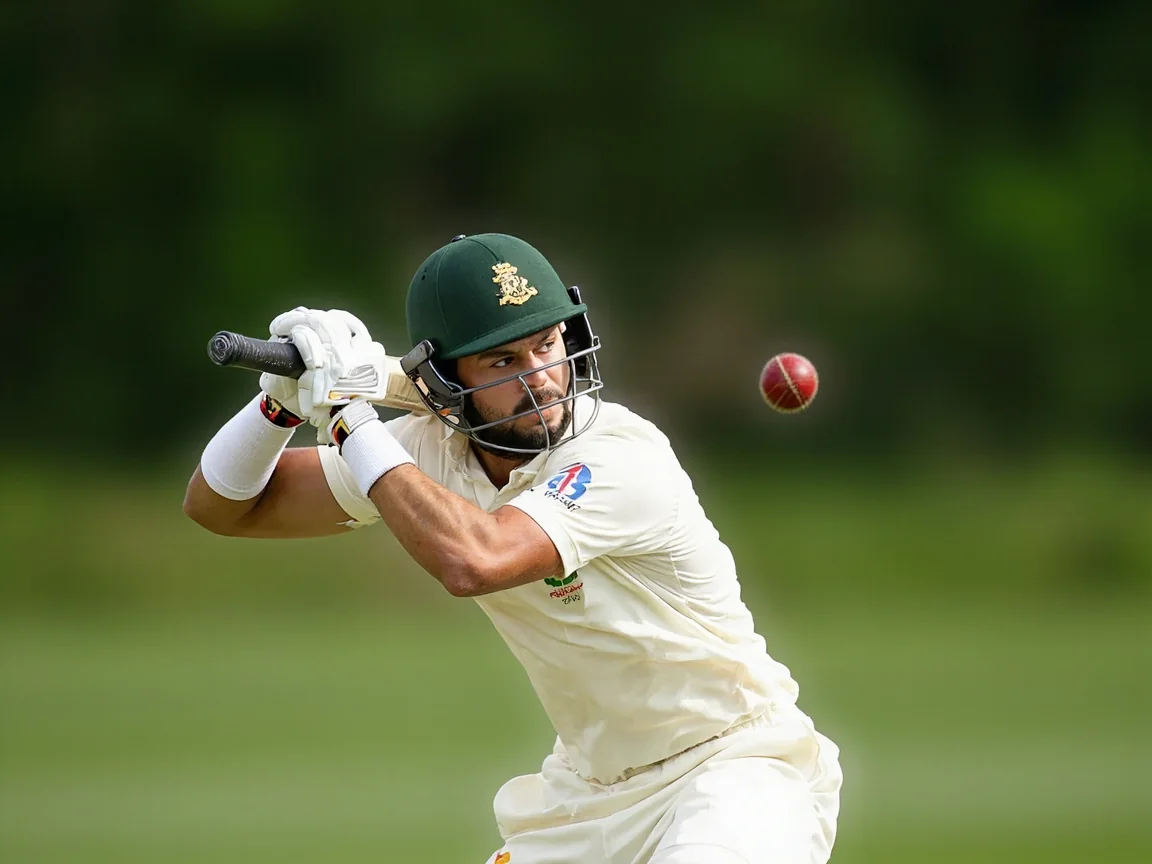
Dry flat track, no significant swing after the new ball, high-scoring chase window. Captain weight goes to the in-form top-order; the differential is a fast-bowling all-rounder with batting points at five or six.
Kolkata · Eden Gardens
Slow turner with a long straight boundary. Captain weight goes to the spinner with the best length on the off-stump line; the differential is the new-ball bowler in the powerplay.
Mohali · I.S. Bindra
Evening breeze, smaller boundary square of the wicket. Captain weight goes to the power-hitter on a short chase; the differential is the bowler with the slowest pace on the slower-ball variation.
Toss and decision table
The desk's working toss leans for today's games, with the rationale and the captain weight that flows from it. The table is updated within ten minutes of any toss sheet change.
| Fixture | Surface read | Dew cue | Toss lean | Captain weight |
|---|---|---|---|---|
| Chennai · Mumbai | Slow turner | Evening high | Chase | Home off-spinner |
| Bengaluru · Hyderabad | Dry flat | Low | Chase | Top-order bat |
| Kolkata · Delhi | Slow turner | Muted | Chase | Home off-spinner |
| Mohali · Rajasthan | Evening breeze | Low | Bat | Power-hitter |
Format rules and short-form notes
Format rules are sport-specific and stable. The desk maintains a one-line summary per format, with the captain and vice-captain logic that flows from the format's average first-innings total.
- T20. Powerplay captain weight; differential slot in the middle overs; spinner differential on slow tracks, fast-bowling differential on flat tracks.
- ODI. Top-order captain weight through the first 15 overs; differential slot in the bowling fifth; all-rounder differential on a used surface.
- Test. Captain weight is format-long; differential slot sits with the new-ball bowler across both innings.
- T10 / The Hundred. Captain weight to the power-hitter; differential slot to the bowler with the slowest pace on the slower ball.
Pre-match checklist
The desk's standing checklist for the morning of a game day. The checklist is mechanical, not analytical; it exists so nothing is missed before the captain dossier is filed.
- Re-run last-five tables by hand from the official match centre
- Re-check the toss sheet for any late change
- Re-check the dew cue against the 09:30 humidity reading
- Re-run the venue cue card against the 11:00 surface read
- File the captain dossier at 11:00 IST; re-file after the toss
- Update the toss table on the matches section
- Update the sources registry last-updated stamps
- Cross-link the captain dossier to the fantasy desk strategy block
How the desk reads a match day
Match day on the desk follows a four-pass rhythm. The first pass starts at 09:30 IST when the pitch reporter files the surface read. The second pass starts at 11:00 IST when the captain dossier is re-run by hand. The third pass is the post-toss re-read within ten minutes of the toss sheet landing. The fourth pass is the post-match review filed within thirty minutes of the result.
The first pass produces the venue cue card. The card carries the surface read, the toss lean, and the dew cue. The card is the source of the captain weight that flows into the predictions ledger. The desk treats the first pass as the most important pass of the day; the captain dossier is built on top of it.
The second pass produces the captain dossier. The dossier is re-run by hand from the official match centre; the desk does not trust overnight aggregations or third-party feeds. The dossier carries the role, the last-five, the form arrow, and a one-line desk read for each candidate.
The third pass is the post-toss re-read. The pass re-files the captain dossier within ten minutes of the toss sheet landing. The pass is mechanical; the desk does not second-guess the toss, the desk updates the captain weight to the role the toss amplifies.
The fourth pass is the post-match review. The pass files a correction if the form figure was unreconciled, a soft watch if the form figure was a near-miss, and a desk read on the differentials. The pass feeds the standing record on the corrections column on the homepage.
Reader questions on the matches section
How often is the ledger updated?
The ledger is updated every ten minutes during the live window, and re-checked after every toss sheet. The sources registry on the homepage carries the last-updated stamp.
What does the format tag mean?
The format tag carries the standard abbreviation (T20, ODI, Test, T10). The desk applies format-specific captain logic; the logic is documented in the format rules section above.
Where does the surface read come from?
The surface read is filed by the desk's pitch reporter on the morning of the game. The read is a one-line summary of three observations: grass cover, crack pattern, and any uneven bounce flagged in the warm-up.
Can I read the section on a slow connection?
Yes. The ledger, the venue cues and the toss table are all server-rendered HTML; the page works on 2G and 3G connections. The hero image is the only media that requires a download.